




















Pikler Ramp Setup Ideas for Parent Supervised Play
Pikler Ramp Setup Ideas for Parent Supervised Play
Pikler Ramp Setup Ideas for Parent Supervised Play is a practical question for families planning a safer, calmer play space at home. The best answer depends on a child's age, confidence, available room, and how closely adults can supervise daily play.
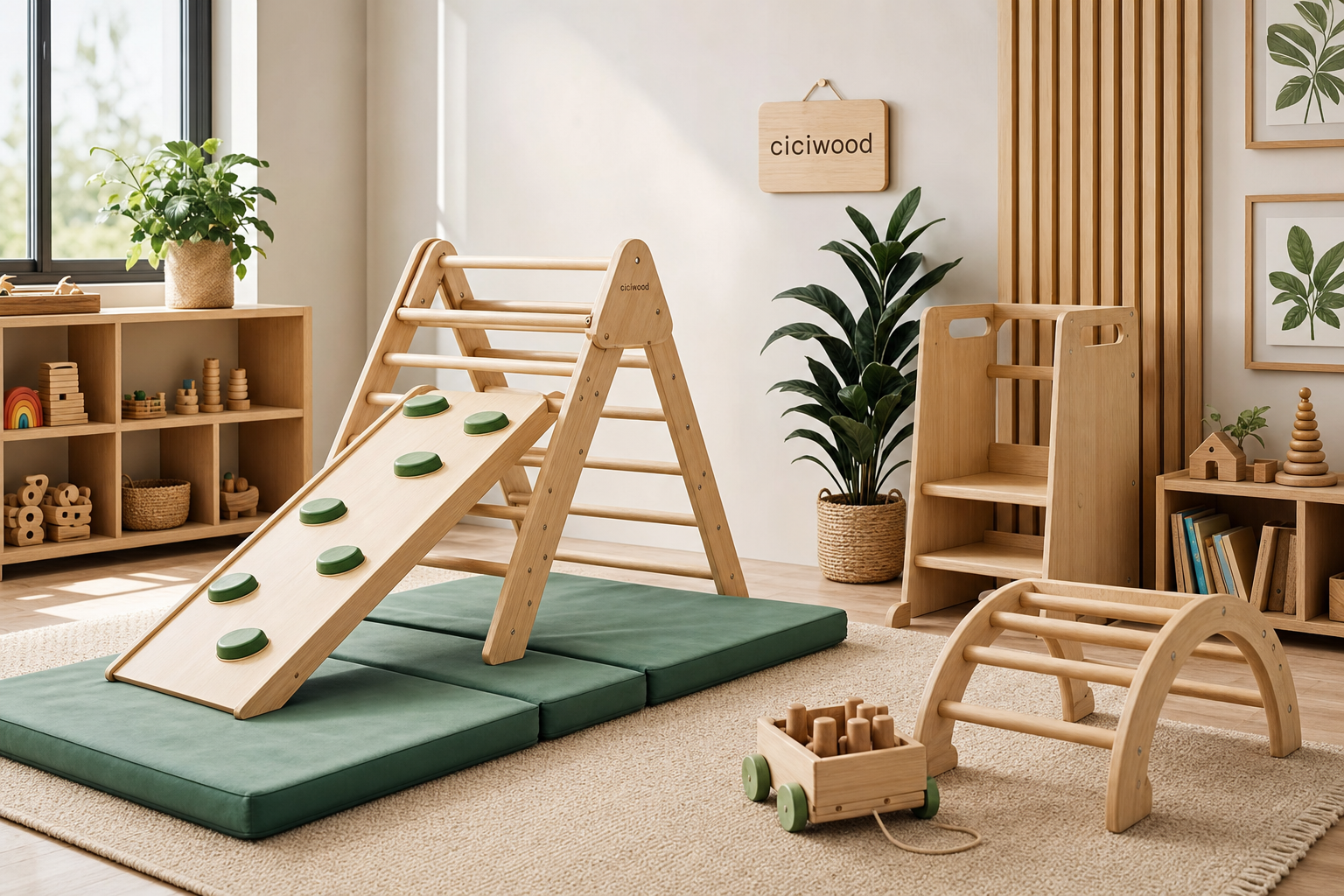
What parents should consider first
Start with parent-supervised play, stable placement, clear floor space, and a product size that fits the room. A climbing toy should support everyday movement without turning the playroom into a crowded obstacle area.
How to choose the right setup
Look at the child's current movement skills, the height of the frame, the finish of the wood, and whether the product can be stored or adjusted. Families with small rooms often benefit from foldable or multi-use designs that keep the space flexible.
Recommended ciciwood pages
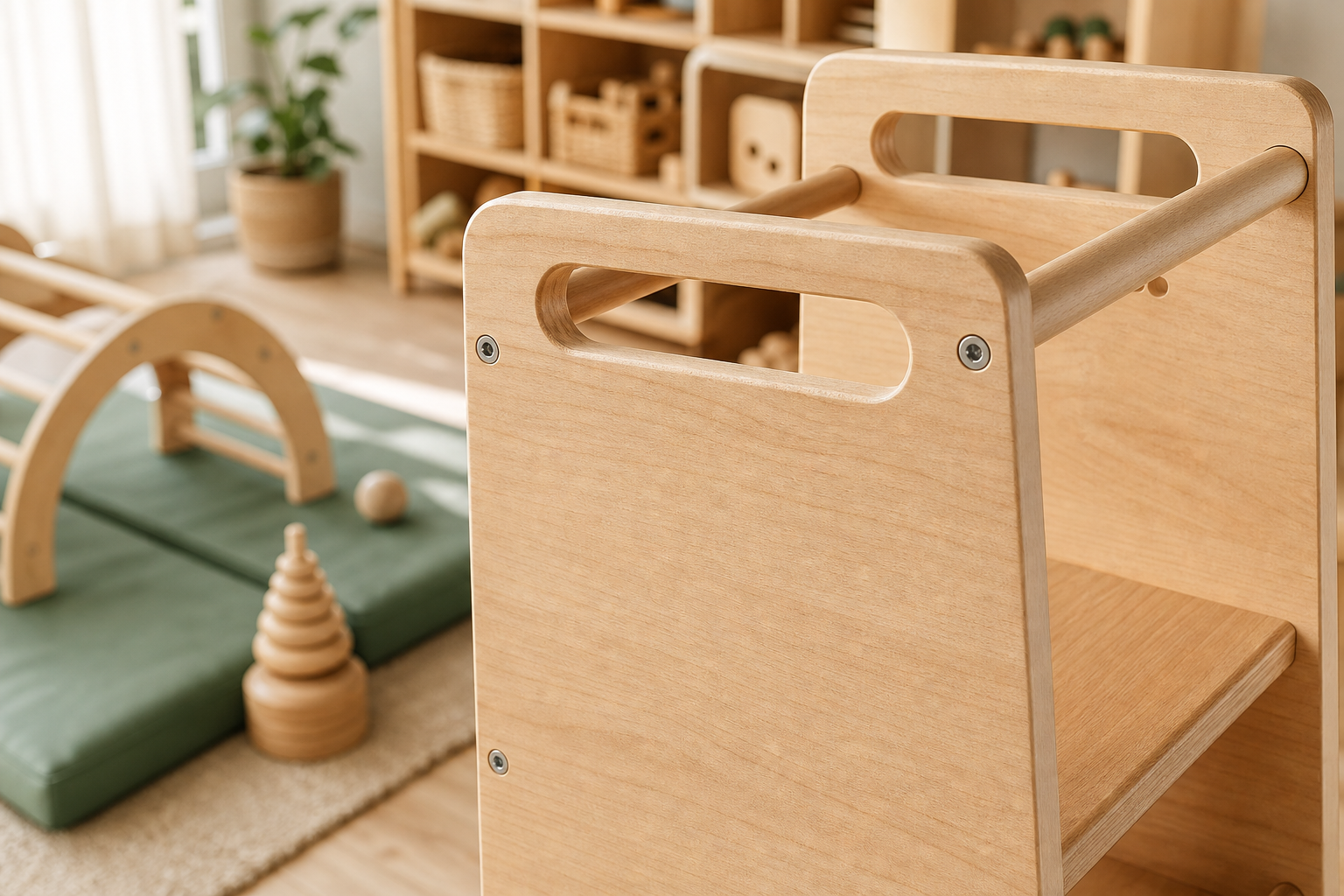
Safety checklist
- Place climbing products on a flat surface.
- Keep parent supervision close during use.
- Leave open space around the product.
- Check screws, joints, and surfaces regularly.
FAQ
Can toddlers use climbing furniture every day?
Many families include climbing furniture in daily play, but use should stay parent-supervised and matched to the child's confidence and ability.
Is wood a good material for children's play furniture?
Wood can work well for family spaces because it feels warm, durable, and visually calm when the product is well made and maintained.
A Pikler triangle guide should explain the child's current confidence before discussing height. Age is useful, but movement readiness and supervision habits decide whether the setup feels appropriate.
The ramp changes the experience. Used flat, angled, or removed, it can shift the activity from gentle crawling to more focused climbing practice under adult supervision.
Parents should check the locking mechanism and floor grip before each session. A stable triangle is the foundation of the entire play routine.
Room layout matters because children often circle the triangle, not just climb one side. Leave space around the frame so movement does not push into shelves or walls.
A good buying guide can compare foldable and fixed designs without declaring one universally better. Families choose based on storage, room size, and frequency of use.
Wood texture and edge finish deserve detailed photos. Parents want to understand how the rails feel in small hands and how easy the surface is to wipe.
For toddlers who repeat the same climb many times, the value is not novelty. It is calm repetition, visible progress, and a setup parents can supervise without stress.
If the triangle shares space with a bed or reading corner, keep the active side facing open floor. This reduces collisions with quiet furniture.
Wholesale buyers should ask for packaging tests, assembly clarity, and certificate documentation because Pikler frames are structural products, not decorative toys.
A strong article should avoid absolute safety promises. It should describe checks, supervision, placement, and product fit so readers can make a practical decision.
Seasonal toy rotation can keep the triangle useful. Scarves, tunnels, plush toys, or pretend-play prompts can change the activity without changing the frame.
Maintenance is simple but important: wipe rails, inspect screws, confirm hinges, and retire the product from play until anything loose is corrected.
A parent can also adjust the challenge without changing the product. Moving the ramp lower, placing a book basket nearby, or using the triangle for pretend play can make the same frame fit a different day.
If the child hesitates, the answer is not to push faster. Keep the setup visible, allow observation, and let confidence build through repeated parent-supervised attempts.
The triangle should not compete with every other toy in the room. Give it a simple zone so the child understands where movement starts and where quiet play begins.
Families should compare total footprint with the ramp attached, because the ramp often requires more floor space than the folded triangle dimensions suggest.
For online buyers, close photos of hinges, rail spacing, and the ramp surface reduce uncertainty. These details help parents judge whether the product fits their child's stage.
A nursery buyer may care most about packaging and storage, while a preschool buyer may care more about repeat use and easy inspection between groups of children.
The article should also explain when to pause use. Loose hardware, slippery floor placement, or crowded rooms are all reasons to reset before continuing.
When the playroom changes, update the triangle placement first. A new shelf, rug, or table can alter the landing area even when the climbing frame itself has not moved.
Clear language helps search users too. Instead of promising independence, describe parent-supervised movement, room fit, product checks, and practical ways to choose the right size.
A Pikler triangle can support many routines, but the strongest setup is still simple: stable frame, open floor, calm supervision, and a challenge level the child can repeat confidently.
Pikler Ramp Setup Ideas for Parent Supervised Play should be evaluated through the family's actual room measurements, not only through product photos. Write down floor width, walking paths, storage limits, and the adult supervision position before comparing final options. Review angle 1.