




















Natural Wood Toy Care and Cleaning Guide
Natural Wood Toy Care and Cleaning Guide
Natural Wood Toy Care and Cleaning Guide is a practical question for families planning a safer, calmer play space at home. The best answer depends on a child's age, confidence, available room, and how closely adults can supervise daily play.
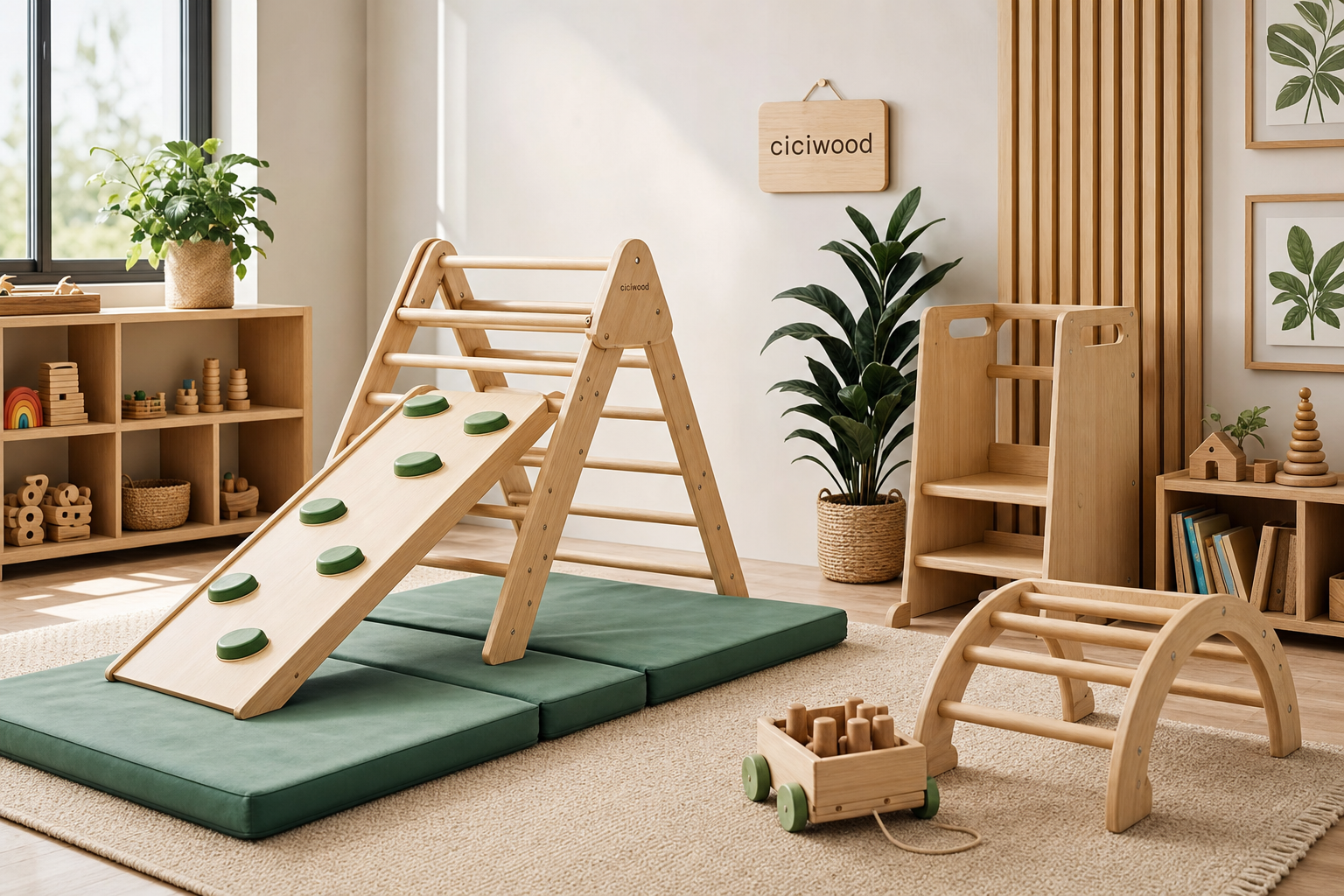
What parents should consider first
Start with parent-supervised play, stable placement, clear floor space, and a product size that fits the room. A climbing toy should support everyday movement without turning the playroom into a crowded obstacle area.
How to choose the right setup
Look at the child's current movement skills, the height of the frame, the finish of the wood, and whether the product can be stored or adjusted. Families with small rooms often benefit from foldable or multi-use designs that keep the space flexible.
Recommended ciciwood pages
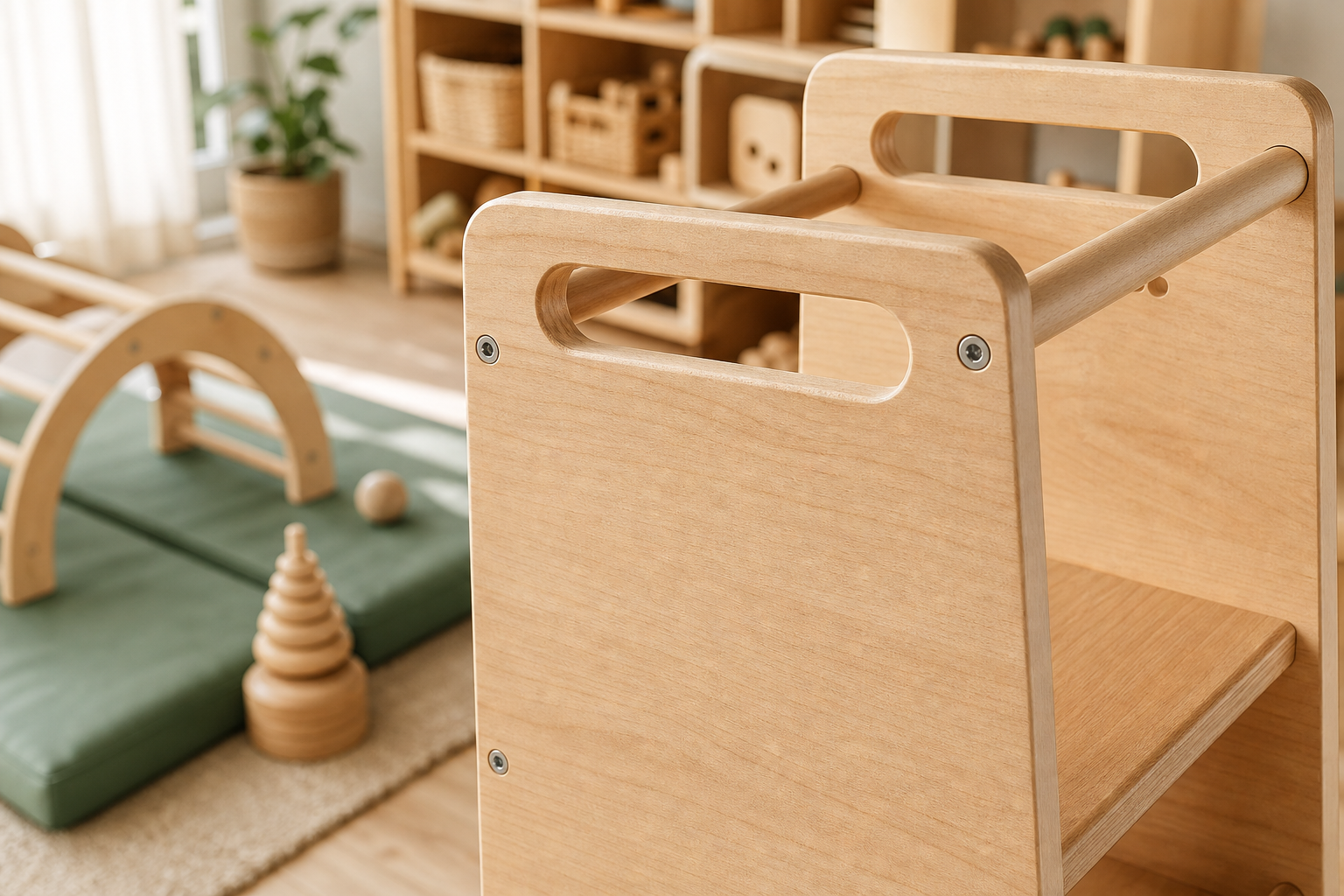
Safety checklist
- Place climbing products on a flat surface.
- Keep parent supervision close during use.
- Leave open space around the product.
- Check screws, joints, and surfaces regularly.
FAQ
Can toddlers use climbing furniture every day?
Many families include climbing furniture in daily play, but use should stay parent-supervised and matched to the child's confidence and ability.
Is wood a good material for children's play furniture?
Wood can work well for family spaces because it feels warm, durable, and visually calm when the product is well made and maintained.
For long-term use, review the play area weekly, rotate activities, and keep the product connected to the child's real interests. A helpful playroom is not only about buying more items; it is about choosing a few durable pieces that fit the family's routine.
In smaller homes, storage matters as much as play value. Foldable climbing frames, compact learning towers, and open shelving can help the room stay useful after playtime ends.
Parents can also make better decisions by watching how a child uses the furniture over time. If a setup encourages calm repetition, confident movement, and easy cleanup, it is usually working well.
Wooden play furniture should feel stable in daily use, with surfaces that are simple to wipe, edges that feel smooth to the touch, and parts that can be checked during a quick weekly routine.
The goal is a play area that supports movement without pressure. Keep the setup simple, leave enough walking space, and adjust the challenge level as the child becomes more confident.
When comparing products, look for practical details rather than decoration alone: clear sizing, suitable materials, easy maintenance, and a layout that fits how the family actually uses the room.
A good setup also gives parents clear sightlines. Avoid placing tall shelves, curtains, or storage bins where they block the view of the climbing area during everyday play.
If the child shares the room with siblings, choose a layout that separates quiet toys from movement equipment. This helps each activity feel intentional and reduces crowding around the main climbing piece.
Seasonal rotation can keep the same furniture useful for longer. A triangle, ramp, or tower can support different games when the surrounding toys, books, and pretend-play items change.
Families buying for a nursery, playroom, preschool corner, or retail project should measure doorways, floor space, and storage needs before choosing the final size.
For product pages and buying guides, photos should show real scale, floor clearance, and how the piece sits with nearby storage. This helps parents understand the product before they contact the brand.
Maintenance should stay simple. Keep a small routine for wiping surfaces, checking hardware, and confirming that mats or rugs have not shifted under the main play area.
The most useful furniture is often the piece a family can keep using as habits change. Durable wood, simple shapes, and flexible placement make that easier.
When in doubt, choose fewer items and give each one more space. Children often use open, uncluttered layouts more confidently than rooms filled with too many choices.
For wholesale or custom projects, document the target age range, room type, packaging needs, and certificate expectations before confirming the final design.
A practical blog guide should help the reader make one clear next step, whether that is measuring a room, comparing product sizes, or opening the most relevant ciciwood collection page.
For international buyers, consistent photography and clear product names also make communication easier. A buyer can reference the exact frame, tower, or wooden toy style without guessing from a crowded catalog.
If the room has hard flooring, add a suitable mat and keep the edges flat. The mat should support comfort without creating a tripping point around the equipment.
Lighting matters for both real use and online content. Bright natural light makes wood grain, hardware, and proportions easier to see, which improves trust for parents comparing products online.
A calm visual style also helps the page stay useful. Instead of filling the article with generic stock images, use product-related scenes that explain placement, scale, material, or care.
After publishing, the same article should remain easy to update. New cover photos, better product links, and refreshed examples can improve usefulness without changing the core URL.
The final decision should balance safety habits, room fit, and long-term value. A well-chosen wooden piece can support daily routines while keeping the play space simple and warm.