


















Sustainable Wood Sourcing: How Responsible Wood Choices Make a Difference
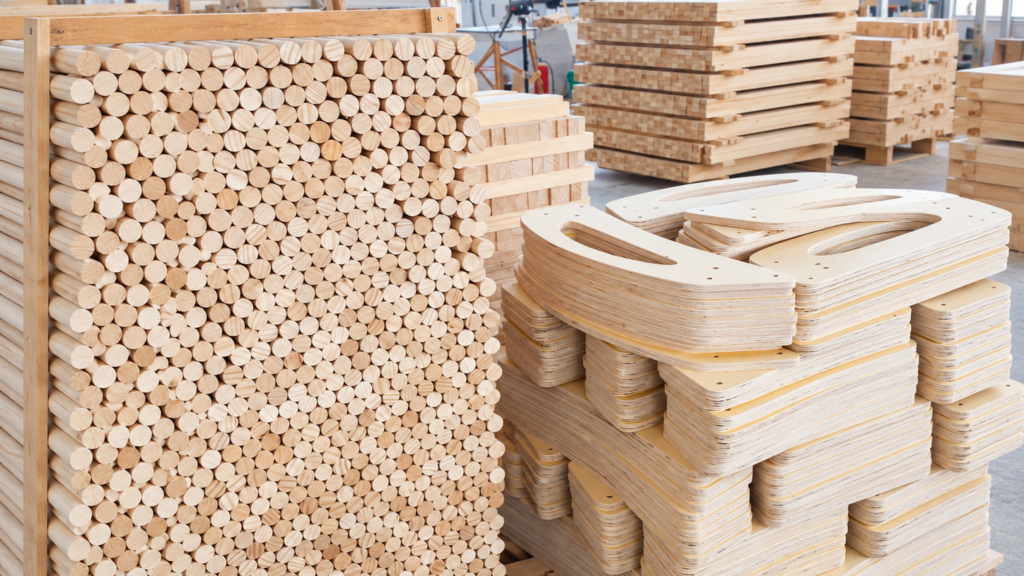
Wood is one of the most widely used natural materials in furniture, toys, home accessories, and everyday products. From Montessori wooden toys and children’s climbing frames to kitchenware and home furnishings, wood brings warmth, versatility, and a natural look to daily life.
But not all wood products have the same environmental impact.
Where does the wood come from? How is it harvested? Are materials used efficiently? What happens during manufacturing and packaging?
These are questions that international buyers, retailers, and brands are asking more and more often as they look for sustainable wooden products.
At CICIWOOD, we believe responsible wood choices, thoughtful product design, and careful manufacturing all matter when it comes to making better wooden products.
1. Why Sustainable Wood Sourcing Matters
Sustainable wood sourcing means getting wood from responsible sources while keeping the long-term health of forests, ecosystems, and local communities in mind.
Forests give us more than timber. They support biodiversity, store carbon, protect soil, regulate water cycles, and provide habitats for countless species.
When forests are poorly managed, excessive logging and illegal harvesting can lead to deforestation, habitat loss, and environmental damage.
Responsible forestry tries to balance the use of forest resources with their long-term protection.
For wooden product manufacturers and international buyers, sustainable wood sourcing isn’t just an environmental idea. It’s also an important factor when developing products and building long-term supply relationships.
You can learn more about responsible forest management through the Forest Stewardship Council (FSC).
Sustainable wood sourcing is becoming an important consideration for manufacturers and international buyers seeking reliable wooden products.
2. Is Wood an Environmentally Friendly Material?
Wood has several qualities that make it appealing for environmentally conscious product development.
A renewable natural resource
Trees can regenerate when forests are responsibly managed. Unlike finite mineral resources, wood can be replenished through natural growth and responsible forest management.
That said, wood shouldn’t automatically be considered sustainable just because it comes from trees. Its environmental value depends heavily on where it comes from and how it’s harvested.
A versatile material with a long service life
Wood can be used to make furniture, educational toys, climbing equipment, kitchen accessories, and many other everyday products.
Well-designed wooden products can stay useful for years when they’re properly manufactured, maintained, and used.
A longer product life can reduce the need for frequent replacement and help make better use of natural resources.
A natural look and flexible applications
Different wood species offer different colors, textures, strengths, and processing characteristics.
That makes wood suitable for a wide range of products, from children’s furniture to home storage and decorative accessories.
The key is to choose materials based on what the product actually needs, not just on appearance.
3. Understanding Different Wood Materials

Different wooden products need different material properties. Understanding the characteristics of common materials can help buyers make better purchasing decisions.
Kayu Pinus
Pine is widely used in children’s furniture, indoor climbing frames, shelves, and other wooden products.
It’s relatively lightweight and easy to process, which makes it suitable for many designs that need practical construction and a natural wood look.
Kayu Beech
Beech is a hardwood known for its relatively dense structure and smooth grain.
It’s commonly used in furniture components, wooden toys, and products that need good dimensional stability and a refined surface.
Plywood
Plywood is made by bonding multiple layers of wood veneer together.
Its layered structure can provide useful strength and dimensional stability, making it suitable for panels, platforms, and certain furniture components.
The environmental impact of plywood depends on factors like wood sourcing, adhesive composition, manufacturing processes, and emissions performance.
For products sold in the United States, buyers should pay attention to applicable composite wood formaldehyde requirements. The U.S. Environmental Protection Agency (EPA) explains the requirements under TSCA Title VI.
No single wood species is automatically the most sustainable choice for every product. Responsible material selection should take into account the intended application, durability, sourcing, and manufacturing requirements.
Choosing the right materials is an essential part of sustainable wood sourcing and responsible product development.
4. What Does FSC Certification Mean?
One of the most recognized systems for responsible forest sourcing is the Forest Stewardship Council (FSC).
FSC certification helps buyers identify forest-based materials that meet defined responsible sourcing standards.
There are different FSC labels, and understanding them matters when you’re buying wooden products.
- FSC 100%: All materials come from FSC-certified forests.
- FSC Recycled: The product is made from recycled materials.
- FSC Mix: The product contains a mix of FSC-certified forest materials, recycled materials, and/or FSC Controlled Wood.
FSC Chain of Custody certification also helps track certified materials through processing, manufacturing, and distribution.
For international buyers, it’s important to check the actual certificate holder, certificate scope, product coverage, and supporting documentation.
An FSC-related claim should only be made when the relevant certification and material requirements are met.
You can explore the official FSC Label Guide to understand the differences between certification labels.
5. Reducing Wood Waste During Manufacturing
Responsible wood sourcing is only one part of sustainable production.
How materials are processed and used during manufacturing also matters.
Several practical measures can help reduce unnecessary material waste:
Careful material selection
Inspecting wood before production helps identify cracks, defects, and unsuitable sections before they enter the manufacturing process.
Efficient cutting and processing
Planning cutting dimensions and production layouts can help manufacturers use available materials more efficiently.
Reusing suitable offcuts
Where product specifications and quality requirements allow, suitable leftover wood pieces can be used for smaller components or other appropriate applications.
Quality control during production
Checking dimensions, joints, surface finishing, and structural details helps reduce avoidable defects and unnecessary rework.
These practices won’t eliminate all production waste, but they can help improve material efficiency and manufacturing consistency.
At CICIWOOD, we pay attention to material preparation, machining, sanding, assembly, and quality inspection throughout the production process.
You can read more about Keahlian di Balik Setiap Produk Kayu Berkualitas.
Efficient manufacturing practices can support sustainable wood sourcing by helping reduce unnecessary material waste.
6. Why Sustainable Materials Matter for Children’s Products
For wooden children’s furniture and educational toys, material selection deserves particular attention.
Children interact with products by touching, holding, climbing, and playing. So buyers should consider more than just the natural look of the wood.
Important factors include:
- Wood materials suitable for the intended application.
- Smooth sanding and carefully finished surfaces.
- Rounded edges and appropriate structural design.
- Suitable coatings, adhesives, and finishing materials.
- Relevant product testing and safety documentation.
Environmental responsibility and product safety are related considerations, but they’re not the same thing.
For example, FSC certification is about responsible forest-based material sourcing. By itself, it doesn’t prove that a children’s toy meets applicable toy safety requirements.
Buyers should request the appropriate testing reports and compliance documents for each product model and destination market.
You can explore CICIWOOD’s Montessori Wooden Toys & Balance Collection for examples of wooden educational and activity products.
7. How International Buyers Can Choose a Responsible Wooden Products Supplier
For importers, wholesalers, distributors, and private-label brands, choosing a wooden products supplier involves more than comparing prices.
For B2B buyers, sustainable wood sourcing also means checking material origins, supplier transparency, and supporting documentation before placing an order.
Before placing an order, consider asking these questions:
- What wood species and materials are used?
- Where are the materials sourced?
- Can the supplier provide relevant FSC documentation when applicable?
- What adhesives, coatings, and surface finishes are used?
- Are material and product testing documents available?
- How does the factory manage material waste and quality control?
- Can the supplier support customized product specifications and packaging?
A reliable supplier should be able to explain its materials, production process, and documentation clearly.
For buyers developing a long-term wooden product collection, consistent communication and transparent material information can make a real difference.
8. CICIWOOD: Thoughtful Wooden Products for Global B2B Partners
CICIWOOD manufactures and supplies a diverse range of wooden products, with a strong focus on Montessori-inspired children’s furniture, wooden toys, and indoor play equipment.
Our product range also extends to home furnishings, wooden kitchenware, pet products, and seasonal decorations.
We work with international importers, wholesalers, distributors, retailers, and brands, providing product development, manufacturing, OEM and ODM customization, quality inspection, and export support.
Depending on the product model and material requirements, we can discuss relevant wood sourcing information and applicable documentation with our customers.
We believe that better wooden products start with appropriate material selection, careful workmanship, and a responsible approach to production.
Through responsible material selection and sustainable wood sourcing practices, we aim to support the development of quality wooden products for global markets.
Whether you’re developing a Montessori product collection, sourcing wooden toys, or expanding your home and lifestyle range, CICIWOOD welcomes opportunities to work with global B2B partners.
Explore our wooden product collections or learn more about CICIWOOD.
Looking for a wooden products supplier for your business?
Contact our team to discuss your product requirements, target market, customization needs, and wholesale orders.
Situs web: https://ciciwood.com/
Email: [email protected]
WhatsApp: +86 186 7875 4581
CICIWOOD — Play. Learn. Grow Naturally.