




















Montessori Education at Home: Creating an Environment Where Children Can Grow Independently
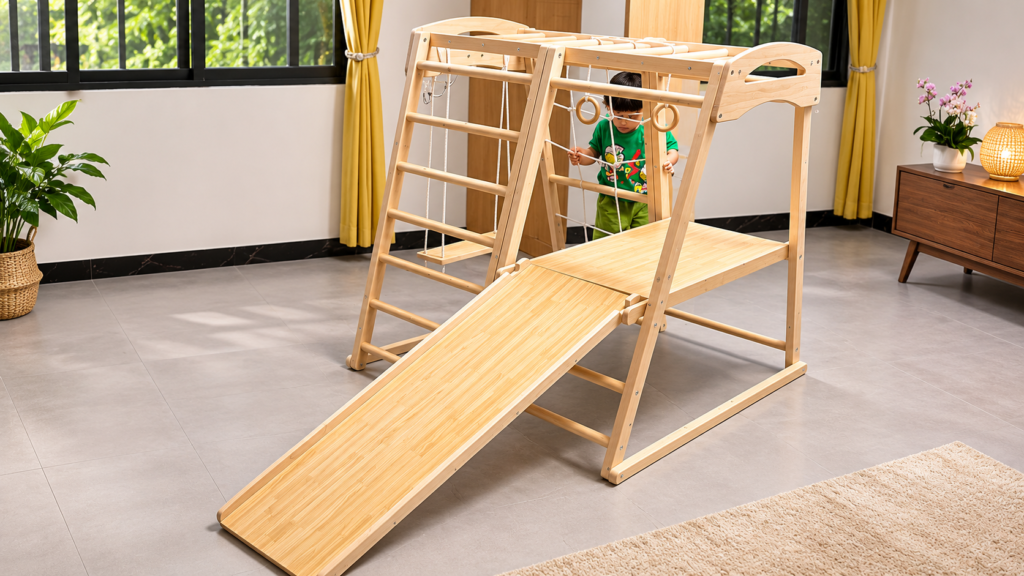
Montessori education at home provides children with opportunities to explore, develop independence, and learn through everyday experiences. With a thoughtfully prepared environment, children can discover new skills, practice practical activities, and grow at their own pace.
For more information about the Montessori approach, visit the official Association Montessori Internationale (AMI) website.
Childhood is a journey of discovery. Every day, children explore new things, develop skills, and learn more about the world around them.
1. What Is Montessori Education?
Montessori education is an educational approach developed by Dr. Maria Montessori. It emphasizes independence, hands-on learning, exploration, and respect for each child’s individual development.
Rather than directing every activity, adults prepare an environment where children can make choices, explore materials, and learn at their own pace.
Some key Montessori principles include:
- Independence: Encouraging children to complete simple daily tasks on their own.
- Hands-on Learning: Learning through touching, building, sorting, and experimenting.
- Freedom Within Limits: Allowing children to make choices within a safe and structured environment.
- Respect for Individual Development: Giving children time to develop skills at their own pace.
Montessori is not simply about choosing certain toys or furniture. It is about creating meaningful opportunities for children to participate in everyday life.
2. Create a Child-Friendly Learning Environment
A well-prepared environment can make everyday activities easier and more enjoyable for young children.
Think about a child’s perspective. Can they reach their favorite books? Can they sit comfortably at their own table? Can they access toys without always asking an adult for help?
Simple adjustments can make a difference.
Consider introducing:
- Low wooden bookshelves that allow children to choose their own books.
- Child-sized tables and chairs for drawing, reading, and creative activities.
- Learning towers that allow children to participate in supervised kitchen activities.
- Accessible storage that helps children organize and put away their toys.
The goal is not to create a perfect Montessori room. It is to make the home more accessible and welcoming to children.A Montessori education at home works best when children have access to simple, practical spaces that encourage independent exploration.
3. Why Wooden Toys Encourage Hands-On Exploration
Children learn through interaction with the world around them.
Wooden toys offer a simple, tactile play experience. Their natural textures, shapes, and weight provide opportunities for children to explore objects through their senses.
Examples include:
Wooden Building Toys
Children can stack, balance, connect, and build different structures, exploring basic concepts such as shape, space, and balance.
Wooden Sorting Toys
Sorting and matching activities encourage children to recognize colors, shapes, sizes, and patterns.
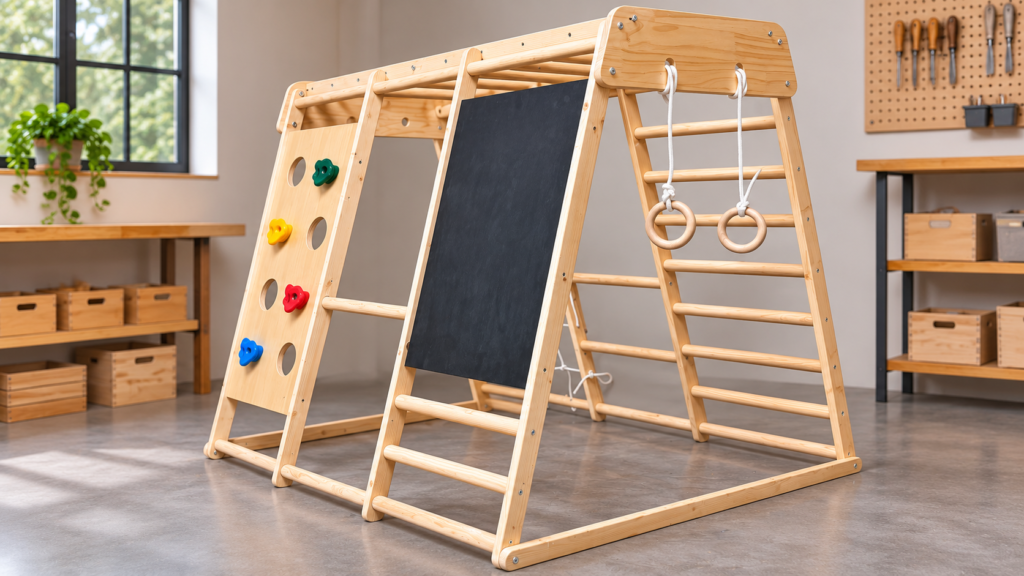
Wooden Climbing Equipment
Age-appropriate climbing equipment can provide opportunities for movement, balance, and physical exploration when used with proper supervision.
The value of a toy is not determined by how complicated it looks. Sometimes, simple toys leave more room for imagination.
4. Encourage Independence Through Everyday Activities
Montessori learning does not happen only during playtime.
Everyday routines offer valuable opportunities for children to practice independence.
Par exemple :
- Let children choose a book from a low bookshelf.
- Encourage them to sit at their own table for drawing or puzzles.
- Allow them to help with simple, age-appropriate household activities.
- Invite them to put toys back in their designated storage areas.
These small experiences help children gradually develop confidence, responsibility, and practical life skills.
Remember: children need time and patience. Learning to do something independently is a process, not a competition.These everyday routines are an important part of Montessori education at home, helping children build confidence through small achievements.
5. Choose Furniture That Grows With Children’s Needs
A supportive learning environment should reflect children’s changing needs as they grow.
When selecting children’s wooden furniture and play equipment, consider:
- Appropriate dimensions for the child’s age and abilities.
- Stable construction and carefully finished edges.
- Smooth surfaces without splinters.
- Suitable, non-toxic finishes that meet applicable safety requirements.
- Practical designs that fit naturally into everyday family life.
Always follow product age recommendations, installation instructions, and supervision guidelines.
Good children’s furniture should be functional, comfortable, and thoughtfully designed.

6.How to Start Montessori Education at Home
You don’t need to transform your entire home to introduce Montessori-inspired ideas.
Start with one small area.
A low bookshelf, a child-sized table, a few carefully selected jouets en bois, or an accessible storage space can be a good beginning.
Observe what interests your child. Give them opportunities to make choices, try new activities, and explore their surroundings.
The most important part is not having more toys or furniture. It is creating an environment where children feel encouraged to discover and learn.
Conclusion
Montessori education reminds us that children are active learners. With a supportive environment, meaningful activities, and opportunities for independence, everyday moments can become valuable learning experiences.
At CICIWOOD, we believe thoughtfully designed wooden products can help create warm, functional, and child-friendly spaces.
From Montessori-inspired furniture and wooden toys to climbing equipment and children’s storage, we offer a diverse range of wooden products for global business partners.
CICIWOOD — Creating Better Spaces for Children to Explore, Play, and Grow.
OEM & ODM cooperation is welcome.
Foire aux questions
1. What age is Montessori education suitable for?
Montessori principles can be introduced from infancy and adapted throughout childhood. Activities and materials should always match the child’s age and developmental abilities.
2. Are wooden toys necessary for Montessori education?
No. Montessori education does not require all toys to be made of wood. The focus is on purposeful activities, hands-on exploration, and meaningful learning experiences.
3. How can I create a Montessori environment at home?
Start with accessible shelves, child-sized furniture, simple learning materials, and opportunities for children to participate in everyday activities.
4. What furniture is useful for a Montessori-inspired home?
Low bookshelves, child-sized tables and chairs, accessible storage, and suitable learning towers can help create a more child-friendly environment.
Creating a Montessori education at home is a gradual process that begins with understanding children’s needs and giving them opportunities to grow independently.