




















Designing a Child-Led Learning Environment: Practical Ideas for Growing Minds
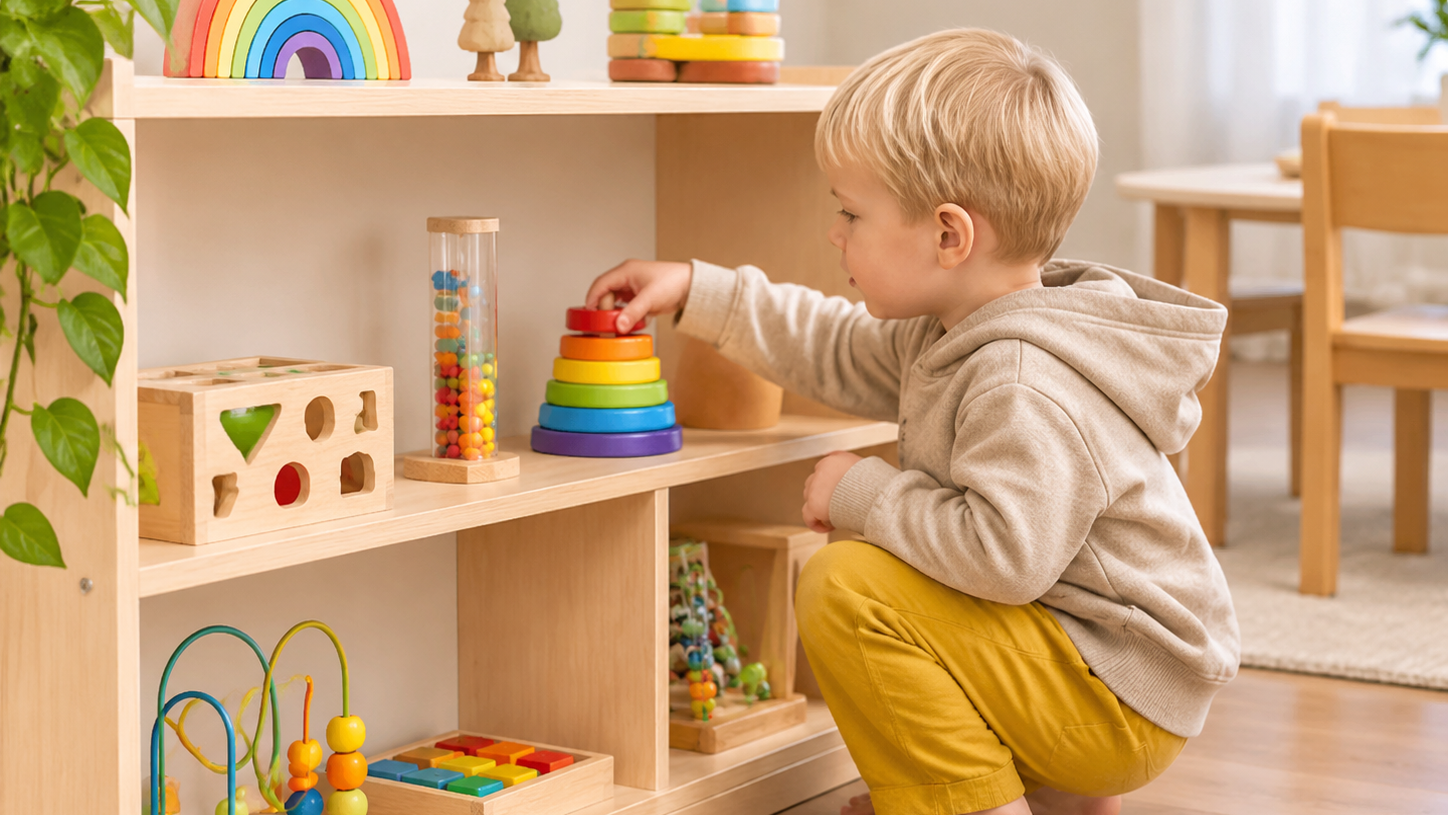
Children learn from more than books, lessons, and toys. The spaces around them also shape how they explore, make choices, and take part in everyday life.
A well-designed child-led learning environment gives children room to discover things on their own, practice practical skills, and build confidence through everyday experiences.
Inspired by Montessori education, this approach is about preparing spaces that respond to children’s needs—not expecting children to adapt to environments designed only for adults.
For parents, educators, and early childhood product designers, understanding how these spaces work can make a real difference.
Here’s how to create environments that encourage curiosity, independence, and purposeful learning.
1. Start with the Child’s Perspective
When designing a learning space, the first question should be simple:
Can children use this space on their own?
Look at the room from a child’s point of view.
Can they reach their books? Can they pick an activity without asking an adult? Is the furniture comfortable for their size?
Small design decisions can make everyday activities much easier.
Consider including:
- Low shelves so children can see and reach their materials.
- Child-sized tables and chairs for drawing, reading, and creative activities.
- Accessible storage that makes tidying up easier.
- Clearly defined activity areas that help children understand how the space is used.
The goal isn’t to make everything available without limits. It’s to provide appropriate access within a safe, organized setting.
2. Create Clear Spaces for Different Activities
A thoughtfully arranged child-led learning environment doesn’t need to be big or complicated.
What matters is how each area supports a particular activity.
Reading Corner
A comfortable reading area with a small bookshelf, soft seating, and accessible books can encourage children to explore stories on their own.
Creative Activity Area
A child-sized table gives children space for drawing, puzzles, building blocks, and other hands-on activities.
Practical Life Area
A suitable learning tower can help children join simple kitchen activities alongside adults. These activities should always be age-appropriate and closely supervised.
Movement and Exploration Area
Indoor climbing equipment and balance activities give children opportunities to explore movement, coordination, and physical challenges.
Each area should have a clear purpose without making the room feel crowded.
A well-organized child-led learning environment helps children understand their surroundings and take part in daily activities more independently.
3. Keep Learning Materials Simple and Organized
More toys don’t necessarily mean better learning opportunities.
When too many items are placed together, children may find it hard to decide what to explore.
A simple organization system can make a difference.
Try these ideas:
- Display a manageable selection of activities.
- Keep similar materials together.
- Use open shelves instead of hiding everything in large boxes.
- Return materials to consistent locations after use.
- Rotate activities according to children’s changing interests.
An organized space helps children understand where things belong and makes it easier for them to join in tidying up.
The goal is an environment that feels inviting, understandable, and easy to use.
A simple layout makes a child-led learning environment easier for children to understand, explore, and maintain.
4. Choose Materials That Encourage Exploration
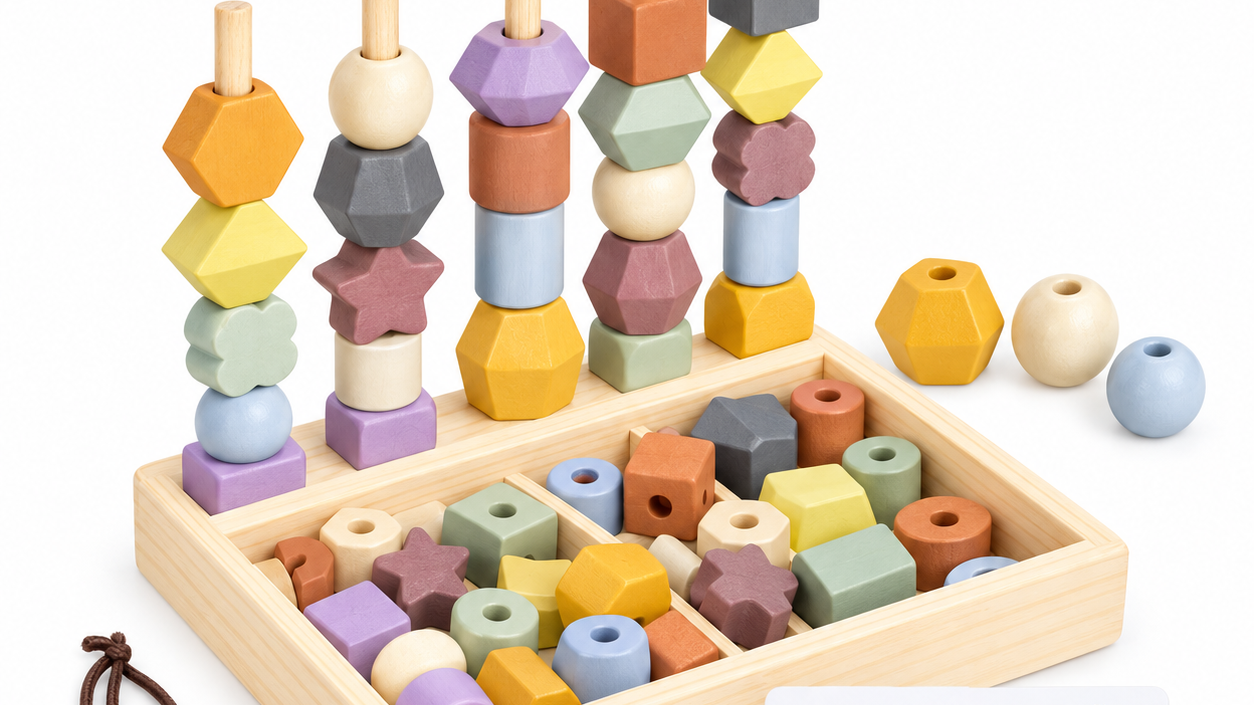
Learning materials should invite children to participate, not just watch.
Simple, open-ended products can offer all kinds of opportunities for discovery.
Wooden Building Blocks
Children can stack, balance, connect, and build different structures. The same blocks can become something new each time they play.
Sorting and Matching Toys
Color, shape, size, and pattern activities offer chances to practice observation and problem-solving.
Wooden Balance Equipment
Balance boards and beams introduce movement challenges that encourage children to explore body control and coordination.
Wooden Climbing Structures
Age-appropriate climbing frames provide opportunities for active exploration. Children can practice different movements and build confidence at their own pace.
The value of a learning material isn’t determined by how many functions it has. A simple design can leave more room for imagination, repetition, and discovery.
Choosing suitable wooden materials can make a child-led learning environment more engaging and practical.
5. Balance Independence with Appropriate Guidance
A child-led learning environment doesn’t mean adults should disappear from the learning process.
Parents and educators still play an important role.
Instead of directing every action, adults can observe children’s interests, prepare suitable activities, and offer help when needed.
Zum Beispiel:
- Give children time to try before stepping in.
- Demonstrate how to use an unfamiliar material.
- Offer choices that match their age and abilities.
- Set clear boundaries around safety and shared spaces.
- Encourage children to put materials away after activities.
The balance between independence and guidance is important.
Children need opportunities to make choices, but they also need appropriate boundaries and reliable adult support.
The Association Montessori Internationale explains how prepared environments and careful observation help adults respond to children’s individual developmental needs.
Read more about Montessori Environments.
6. Consider Safety and Practical Design
A beautiful learning space must also be practical and safe.
When choosing children’s furniture, storage, and play equipment, consider several important details.
Size and Accessibility
Furniture should be appropriate for the intended age group and the child’s physical abilities.
Structural Stability
Tables, chairs, shelves, and climbing equipment should be stable and suitable for their intended use.
Surface Finishing
Smooth surfaces, carefully finished edges, and appropriate materials are important considerations for children’s products.
Organization
Storage should be easy to use and shouldn’t create unnecessary obstacles.
Supervision
Climbing, kitchen participation, and other activities involving potential risks require appropriate adult supervision.
Always review product instructions, age recommendations, installation requirements, and applicable safety documentation before use.
The American Montessori Society also discusses how prepared environments and hands-on activities support early childhood learning.
Explore its guide to Montessori Early Childhood Programs.
7. Build an Environment That Can Grow with Children
Children’s interests and abilities change over time.
A space that works well today may need adjustments as children develop new skills.
Instead of redesigning everything, consider flexible solutions.
Zum Beispiel:
- Adjustable or appropriately sized furniture.
- Storage that can be reorganized.
- Open-ended wooden play materials.
- Activity spaces that can serve different purposes.
- Play equipment selected according to developmental needs.
A flexible environment allows families and learning spaces to adapt gradually.
The most important consideration isn’t how impressive a room looks, but whether it continues to meet children’s changing needs.
How CICIWOOD Connects Wooden Products with Child-Friendly Spaces
At CICIWOOD, we believe the spaces around children should encourage curiosity, movement, participation, and independence.
Our wooden product collections include:
Holzspielzeug & Spielen
Indoor climbing frames, Pikler-style play equipment, wooden learning toys, and children’s activity products.
Wooden Furniture
Children’s tables and chairs, shelving, storage solutions, and practical furniture for everyday spaces.
Montessori-Inspired Products
Wooden products designed around accessible use, hands-on activities, and opportunities for independent exploration.
We work with international importers, wholesalers, distributors, retailers, and private-label brands.
Our cooperation services include OEM and ODM customization, product development, material and finish options, customized logos, and packaging solutions.
Our products are Montessori-inspired in their intended use and design direction. They are not represented as officially certified Montessori teaching materials.
Explore our Montessori Toys & Balance Collection and Kids Furniture & Beds Collection.
To learn more about our brand and manufacturing capabilities, visit About CICIWOOD.
Abschließende Gedanken
A supportive learning environment doesn’t need expensive furniture or a large collection of educational toys.
It starts with understanding children.
Accessible spaces, organized materials, meaningful activities, and appropriate guidance can create more opportunities for children to explore and take part in everyday life.
A small bookshelf, a child-sized table, or a simple wooden activity can become part of a much bigger learning experience.
At CICIWOOD, we believe thoughtful wooden products can help bring play, learning, and everyday living closer together.
CICIWOOD — Play. Learn. Grow Naturally.
For wholesale, product development, or OEM/ODM cooperation, contact our team.
Häufig gestellte Fragen
1. What is a child-led learning environment?
It is an environment designed to give children opportunities to make age-appropriate choices, explore activities, and participate in learning at their own pace, with suitable adult guidance.
2. Does a child-led learning environment require Montessori furniture?
No. Montessori education does not require a particular furniture brand or material. The focus is on accessibility, purposeful activities, independence, and an environment suited to children’s developmental needs.
3. What furniture is useful for children’s learning spaces?
Low bookshelves, child-sized tables and chairs, accessible storage, and suitable activity furniture can help create practical and welcoming spaces.
4. Are wooden toys suitable for Montessori-inspired activities?
Wooden toys can provide opportunities for hands-on exploration, sorting, building, balancing, and imaginative play. However, Montessori learning is not limited to wooden materials.
5. How can parents encourage independent learning?
Start with small changes. Make books and suitable activities accessible, give children time to try tasks independently, and provide guidance when necessary.
6. What should buyers consider when sourcing children’s wooden furniture?
Buyers should review product dimensions, material specifications, construction, surface finishing, age suitability, applicable safety requirements, packaging, and customization options.