




Pine vs. Birch vs. Beech: Which Is the Best Wood for Climbing Frames?
Pine vs. Birch vs. Beech: Choosing Wood for Climbing Frames
Ask three factories which wood is best for a climbing frame and you will get three answers. Each one tends to match whatever the factory already stocks.
The honest version is that all three work, and each works better in some products than others. What separates a good frame from a disappointing one is rarely the species on the spec sheet. It is the grade, the moisture content, the joints, and how carefully the parts were machined.
The choice still matters. Here is how pine, birch and beech compare, and what to check before you commit a range to one of them.
Pine: light, inexpensive, and softer than it looks
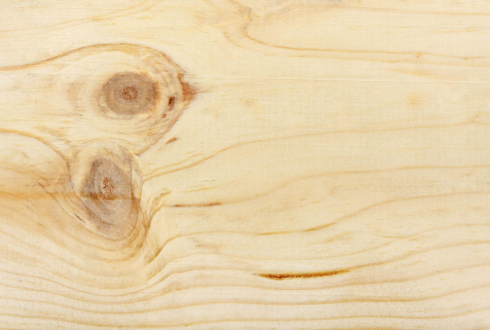
Pine is where most buyers start, usually because it is light and cheap. A pine frame is easier to move, cheaper to ship, and simpler for a customer to assemble alone.
It also has a warm, open grain that suits Scandinavian and Montessori-style interiors, which is why so much children’s furniture is built from it.
The trade-offs show up in use. Pine dents. A dropped toy or a bumped corner leaves a mark, and knots and resin pockets can disturb the finish if boards are not selected carefully. Resin bleed is a real problem when the wood has not been dried and sealed properly.
None of that disqualifies pine. It means the grade and the finishing process matter more, not less.
Birch: a clean surface, and often a plywood story
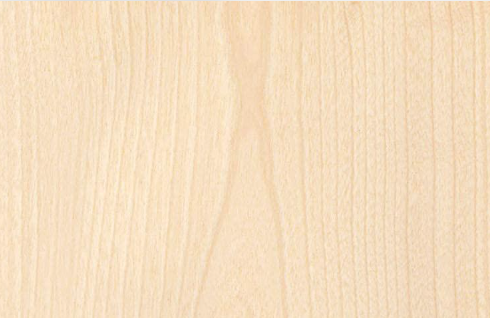
Birch is a hardwood, but in furniture you mostly meet it as plywood: thin layers glued in alternating directions, which is what gives it stability and a very consistent face.
That construction is why birch looks so clean. Fine, even grain, pale color, no knots to work around. For cut panels, shaped sides and modern minimal designs, it is hard to beat.
Two things to confirm before you buy. First, whether the product is solid birch or birch plywood, because they behave differently and are often quoted under the same name. Second, which adhesive class the plywood uses. In the EU, E1 is the usual minimum; the US applies its own formaldehyde rules under TSCA Title VI. The glue is part of the product’s compliance story, not a detail.
Edge quality is the other tell. Plywood lives or dies by how well its edges are sanded and sealed.
Beech: heavy, dense, and built to be handled
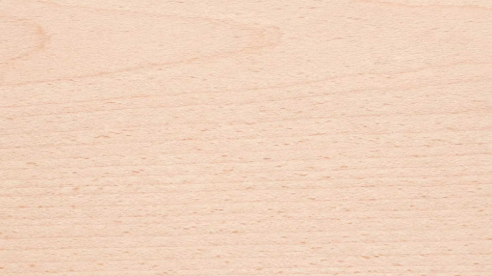
Beech is dense. That weight gives it the solid, almost institutional feel buyers associate with quality, and it is why beech turns up in chairs, gym equipment and shaped handles.
It machines well, takes a fine sanded finish, and its grain is tight and uniform, so painted or oiled surfaces look even.
The cost is weight and price. Beech is heavier to ship and usually more expensive than pine. It also moves with moisture more than people expect, so drying and storage discipline at the factory matters. A beech part that leaves the kiln at the wrong moisture content can arrive at a warehouse and start to warp.
Side by side
| Feature | Pine | Birch | Beech |
|---|---|---|---|
| Wood type | Softwood | Hardwood | Hardwood |
| Weight | Light | Medium | Heavy |
| Hardness | Low | Medium to high | High |
| Appearance | Open natural grain | Fine, pale grain | Smooth, uniform grain |
| Machining | Easy | Good | Good |
| Cost | Usually lowest | Varies by grade | Usually highest |
| Dimensional stability | Moderate | Good as plywood | Needs moisture control |
These are broad characteristics, not a ranking. A good board of any species beats a poor board of a better one.
One note on the labels, since they cause endless confusion: hardwood and softwood describe how a tree reproduces, not how hard the wood is. Balsa is a hardwood. So judge the actual species and grade, not the category.
What decides quality beyond the species
Grade and moisture content
Ask how boards are graded and what moisture content they leave the kiln at. For interior furniture the usual target is roughly 8 to 12 percent. Consistent moisture is one of the cheapest forms of quality control a factory can apply, and one of the most commonly skipped.
Sanding and edges
Exposed edges and corners need rounding, and surfaces need enough grit progression to remove tool marks. Ask for the grit sequence. A factory that answers “120, 180, 240” knows what it is doing. One that says “we sand it well” does not.
Joints and structure
Rail thickness, how joints are cut, screw placement and the bracing behind the frame decide how the product behaves after a year of use. The species tells you very little about any of that.
Finish
Ask what coating is used and whether it has documentation for your market. Water-based finishes are common on children’s products. Solvent-based can be fine as well, as long as the paperwork matches the claim.
Inspection
Material check, machining check, sanding check, assembly check, final inspection. Five stages, each with someone who signs off. Ask for that list and see whether the answer comes easily.
Matching the wood to your range
Pine suits entry-level and price-led products, provided the grade and finish are specified tightly. Birch plywood suits modern, design-led ranges that need a clean pale surface. Beech suits premium products where weight and a solid feel are part of the selling point.
Mixed construction is underrated. Lots of good frames use birch or pine panels with beech for the rungs, rails and joints that carry load. That is often the most sensible answer, and worth asking a supplier about directly.
Whatever you choose, compare physical samples. Photographs are unreliable about grain, edge quality and color.
Why CICIWOOD
We build wooden indoor climbing frames, Montessori-inspired play products and children’s furniture for retailers, distributors and private-label brands.
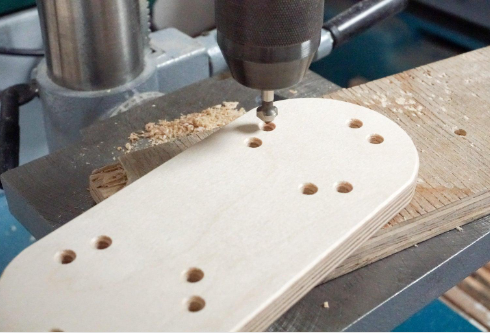
Material selection is where most projects begin, and it is one of the first things we ask a new customer: where will this sell, at what price, and who puts it together. A frame for a European specialty retailer and one for a US marketplace listing rarely want the same board.
Our B2B work covers OEM and ODM development, custom colors and configurations, private-label packaging, and export order coordination.
Frequently asked questions
Is pine strong enough for a climbing frame?
Strength comes from dimensions and design as much as species. A pine frame with adequate rail thickness and well-made joints can be entirely serviceable. Ask for the load rating and test documentation for the specific model.
Is birch stronger than pine?
Generally yes, birch is harder and denser. But a thin birch panel can be weaker than a thick pine rail, so compare the actual components rather than the species name.
Why is beech used in children’s furniture?
It is dense and smooth, with uniform grain, and it holds up to handling. It also takes a clean finish, which matters for painted and oiled products.
Which wood is the most affordable?
Pine, usually. Grade, thickness, availability and processing requirements still move the number, so compare quotes on the same specification.
Can wooden climbing frames be customized?
Yes. Depending on the factory, customization can cover dimensions, colors, finishes, accessories, logos and retail packaging.
Final thoughts
Species is a starting point, not an answer. Pine, birch and beech can each make a good climbing frame, and each can make a bad one.
Pick the wood that matches your market and price, then spend your attention on grade, moisture, joints, edges and finish. Those are the things a customer actually feels.
Contact CICIWOOD to discuss product requirements, OEM and ODM options, or our wooden climbing frame range.